Streamlining Booking System

The Big Idea

Year

/

2025

Client

/

WestJet

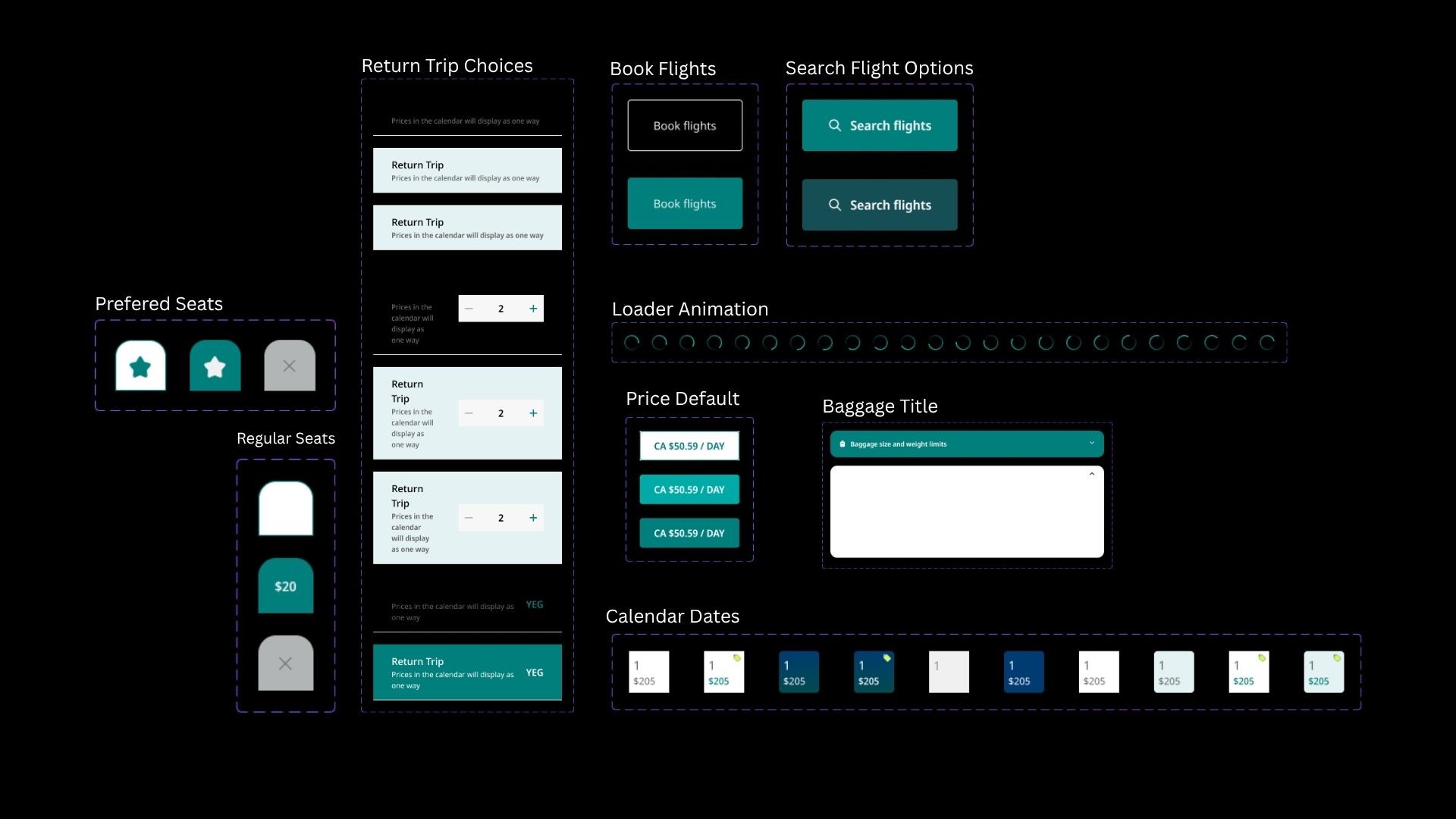
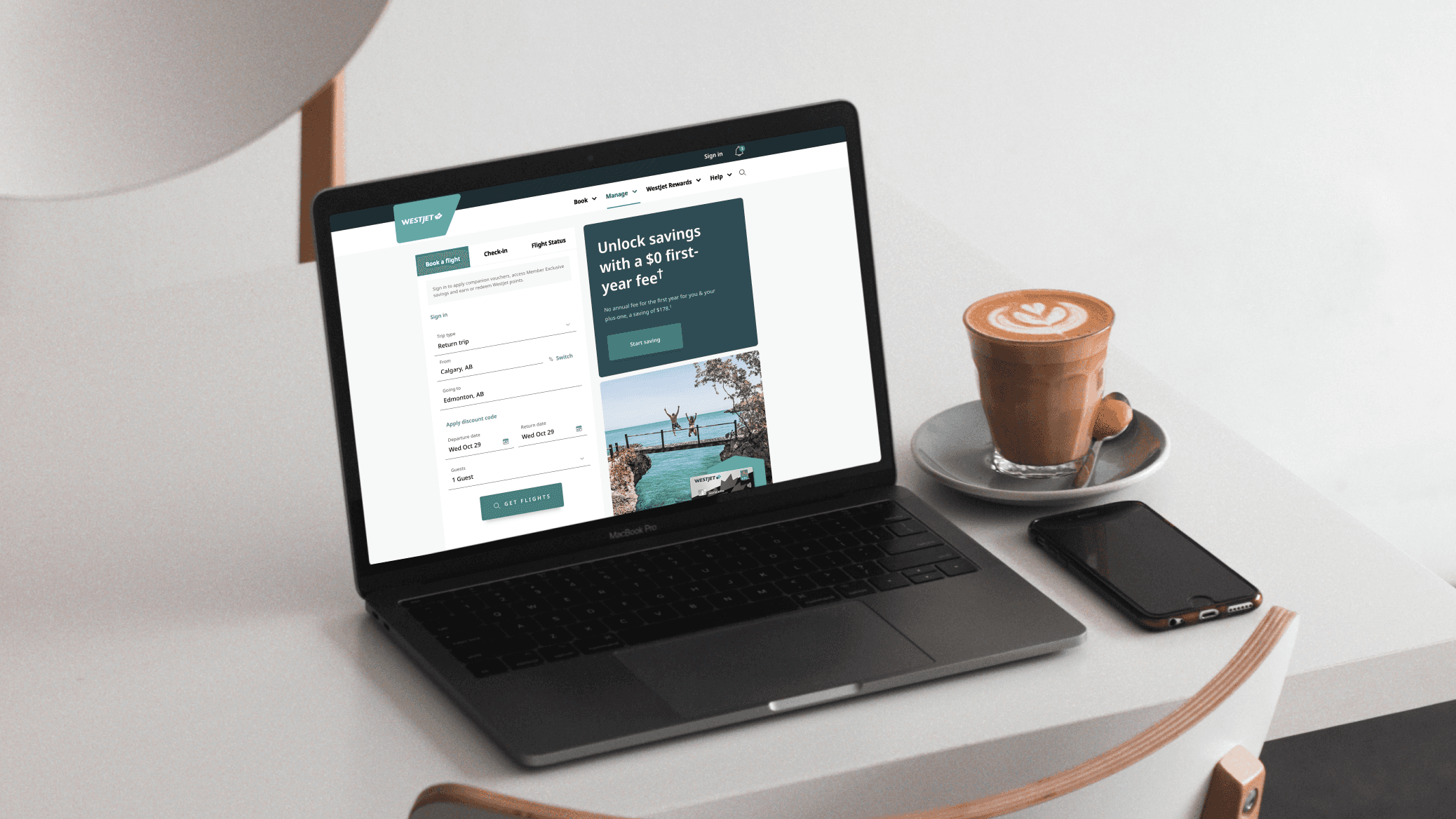
WestJet’s booking system prioritizes comprehensive information, but this creates friction for users booking spontaneous or budget-focused trips. This project addresses those concerns by adjusting WestJet's desktop user experiences through simplified information architecture, streamlined user flow, and reusable design systems.
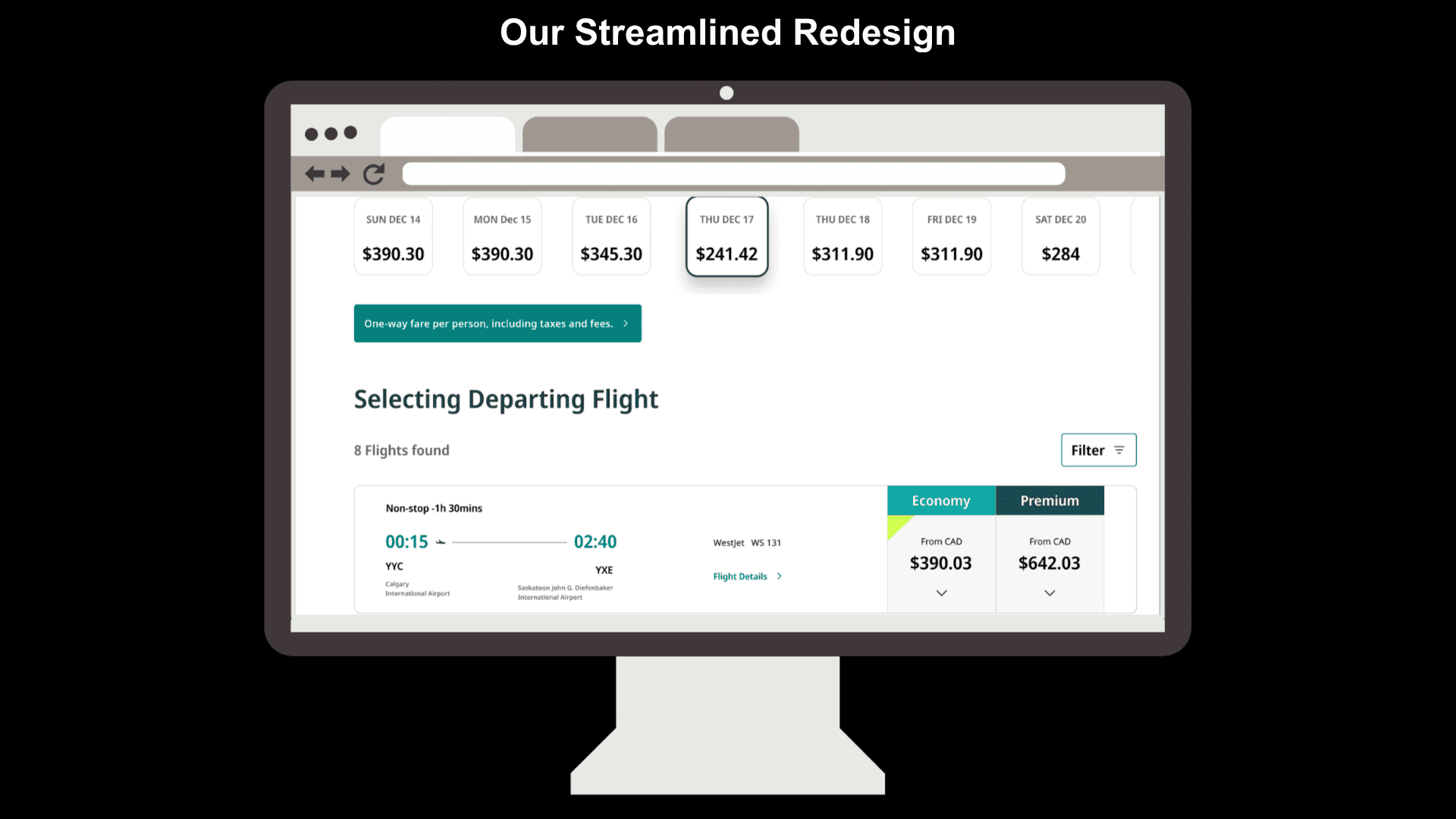
WestJet’s booking system prioritizes comprehensive information, but this creates friction for users booking spontaneous or budget-focused trips. This project addresses those concerns by adjusting WestJet's desktop user experiences through simplified information architecture, streamlined user flow, and reusable design systems.

Problem

Travellers booking through WestJet often encounter a detailed booking flow that can feel overwhelming, particularly for last-minute and budget-conscious users who prioritize speed and clarity. The core issue is the tension between providing essential information and maintaining an efficient, frictionless experience.

Travellers booking through WestJet often encounter a detailed booking flow that can feel overwhelming, particularly for last-minute and budget-conscious users who prioritize speed and clarity. The core issue is the tension between providing essential information and maintaining an efficient, frictionless experience.

Solution

Our solution simplifies and clarifies the booking journey, reducing friction across key steps to help users book flights faster, with less cognitive load and greater confidence.
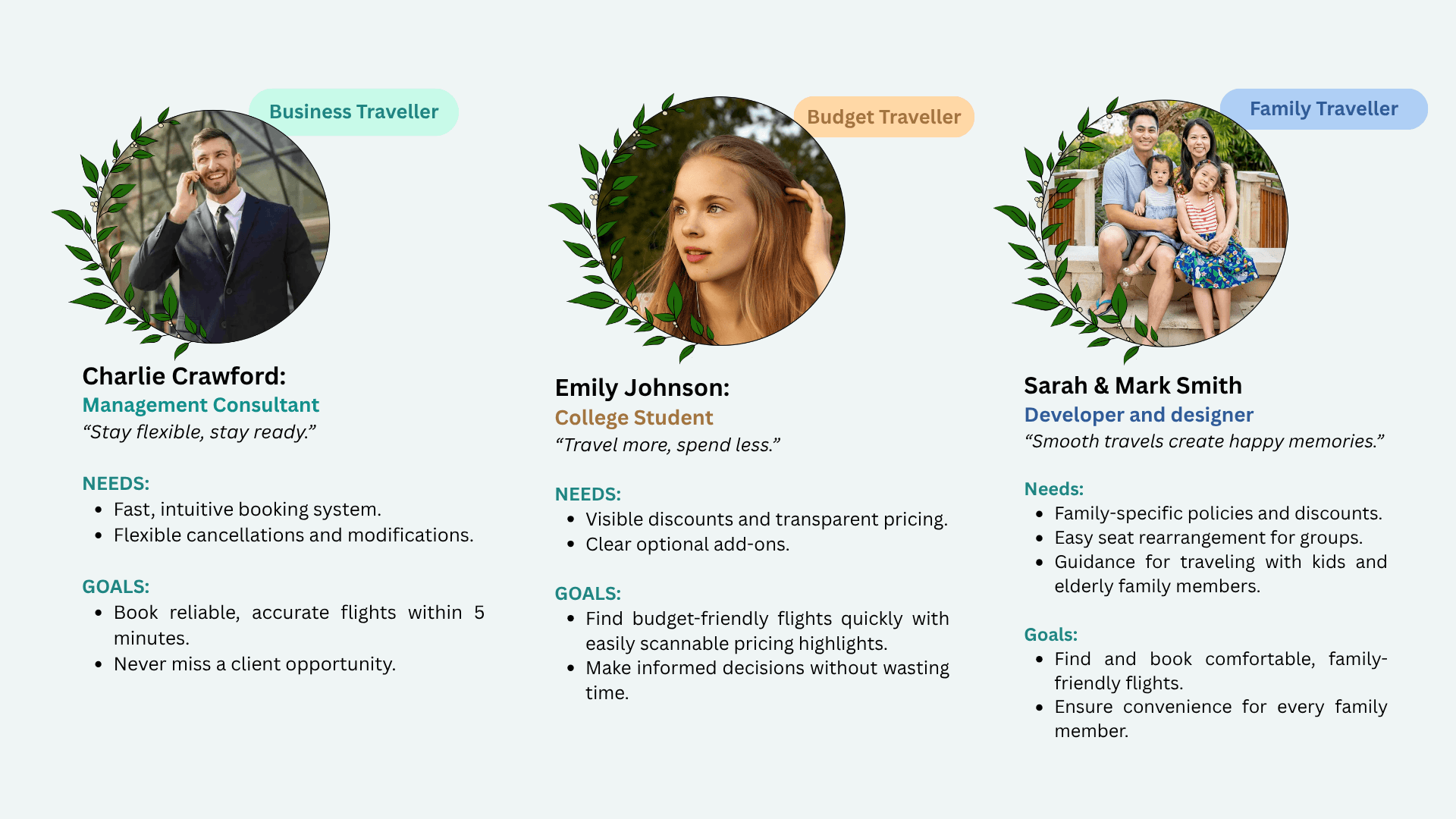
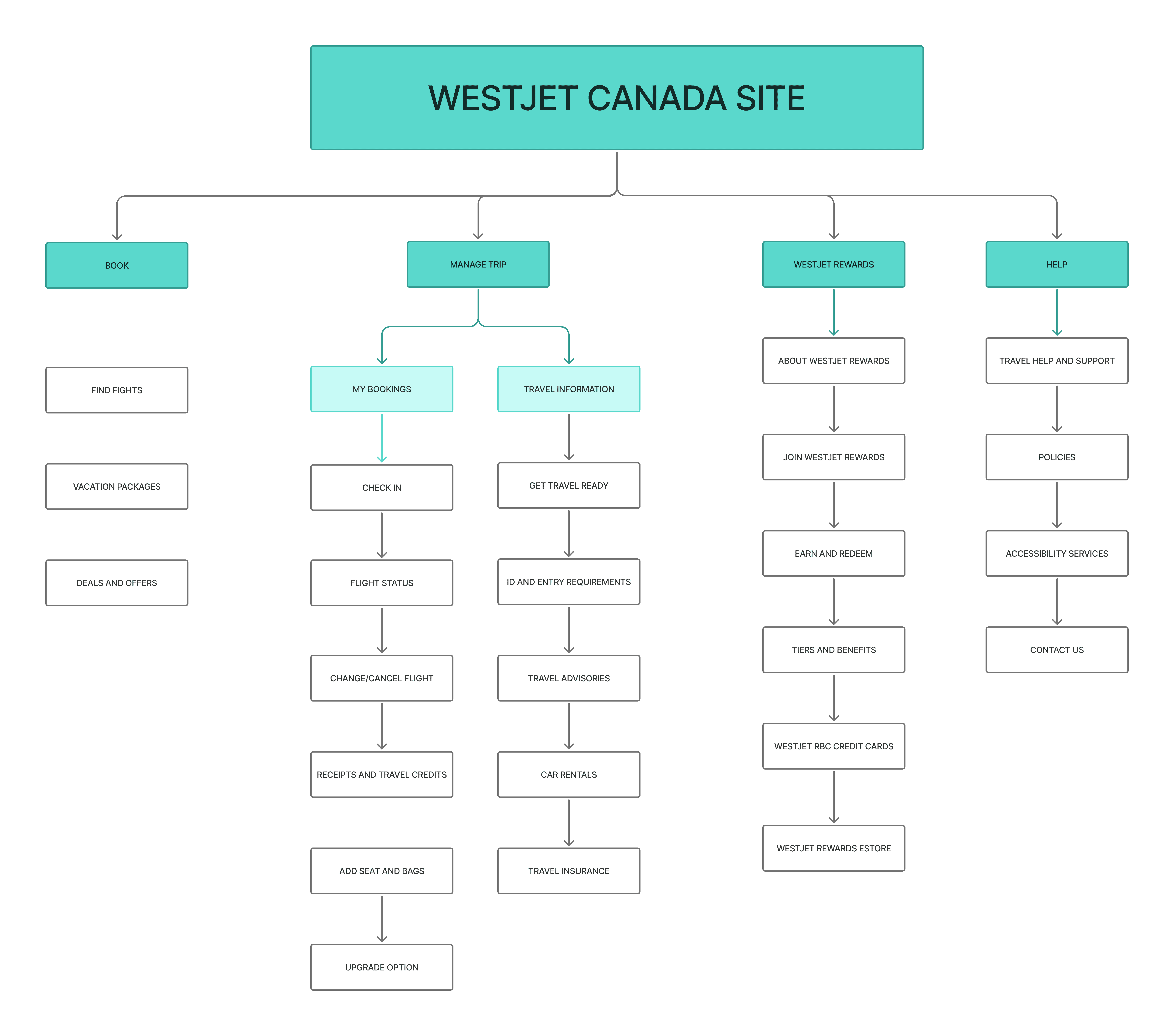
Our solution simplifies and clarifies the booking journey, reducing friction across key steps to help users book flights faster, with less cognitive load and greater confidence.
Decisions And Results

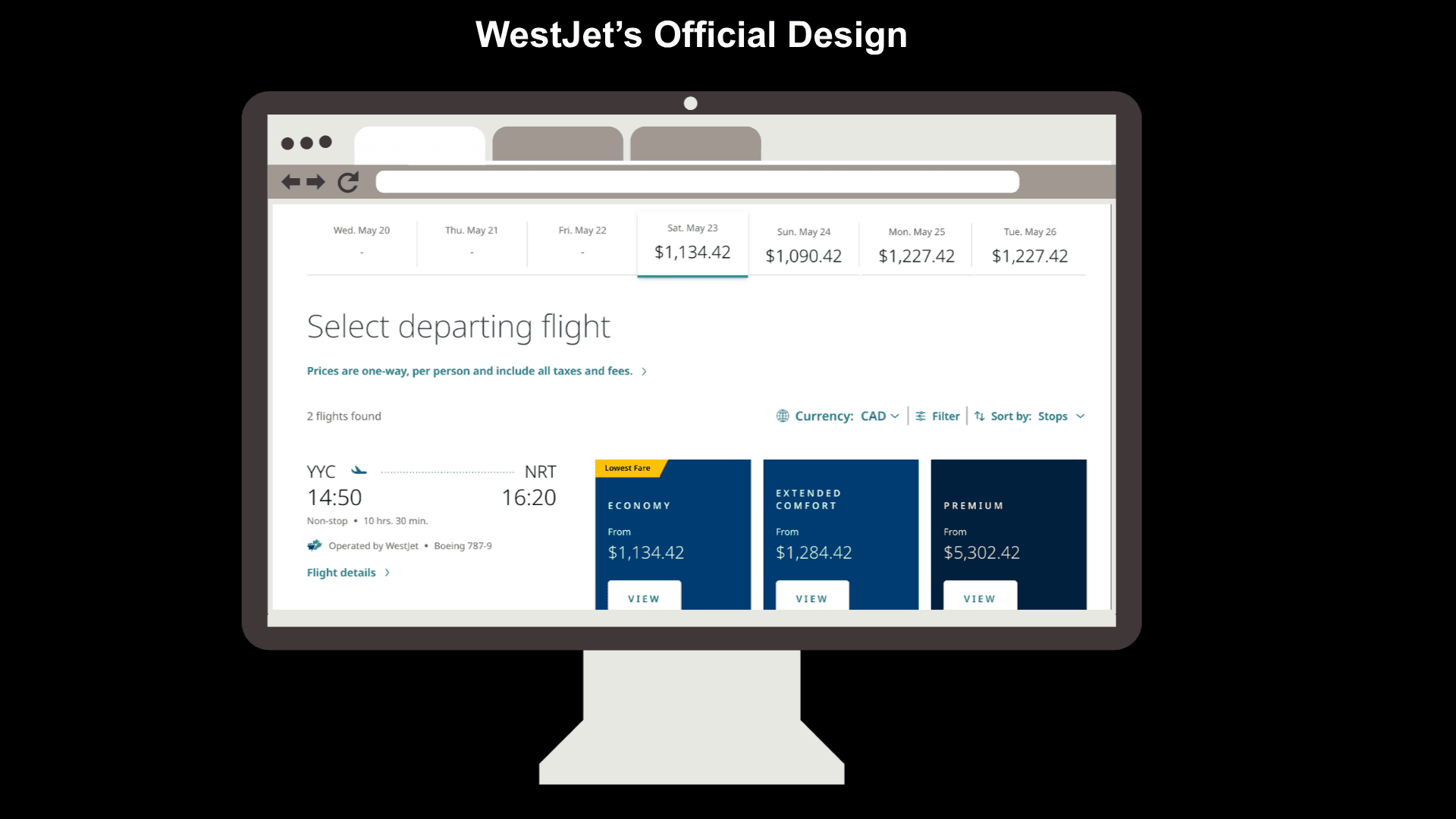
We reorganized the navigation architecture to create a clearer and more structured booking experience. Instead of overwhelming users with dense information and visually similar sections, we prioritized the most important actions first, allowing travelers to compare flights, pricing, and fare types with less effort. Pricing cards were given more visual space by reducing surrounding clutter, making key booking details easier to scan during quick decision-making moments. To improve clarity between ticket options, we introduced stronger color distinction between Economy and Business fares, helping users identify options instantly without relying heavily on text labels. We also redesigned the booking progress navigation into a color-coded step system that clearly communicated where users were in the process, reducing confusion during multi-step tasks such as flight selection, passenger details, and checkout. These changes created a faster and more intuitive booking flow, particularly for last-minute and budget-focused travelers. During usability testing, users navigated the platform with less hesitation, identified fare differences more quickly, and completed tasks with greater confidence. The redesign also showed a potential 10% increase in user retention, suggesting improved engagement throughout the booking experience.

We reorganized the navigation architecture to create a clearer and more structured booking experience. Instead of overwhelming users with dense information and visually similar sections, we prioritized the most important actions first, allowing travelers to compare flights, pricing, and fare types with less effort. Pricing cards were given more visual space by reducing surrounding clutter, making key booking details easier to scan during quick decision-making moments. To improve clarity between ticket options, we introduced stronger color distinction between Economy and Business fares, helping users identify options instantly without relying heavily on text labels. We also redesigned the booking progress navigation into a color-coded step system that clearly communicated where users were in the process, reducing confusion during multi-step tasks such as flight selection, passenger details, and checkout. These changes created a faster and more intuitive booking flow, particularly for last-minute and budget-focused travelers. During usability testing, users navigated the platform with less hesitation, identified fare differences more quickly, and completed tasks with greater confidence. The redesign also showed a potential 10% increase in user retention, suggesting improved engagement throughout the booking experience.

Next work